OUR HISTORY

Discover the history of Beaudesert Park and the remains of Beaudesert Hall set within Cannock Chase.

More than a site for young people

Beaudesert was a palace of the Bishop of Lichfield and Coventry and later the home of the Marquess of Anglesey. Today the ruins of Beaudesert Hall and Park lie all around the site, and the history is researched by volunteers and shared through guided walks and talks.

Seven centuries

Visitors today often have little idea of the rich history around Beaudesert. It runs from an Iron Age hill fort to a royal forest, a bishop's palace and the home of the Marquess of Anglesey.

  1. Iron AgeBefore Beaudesert

    Castle Ring

    Even before the Romans built their roads across the country, Cannock Chase had a population roaming its upland forest. Castle Ring, to the north of the estate, is a large two tiered Iron Age hill fort, one of seven in Staffordshire. Dominating the highest point of Cannock Chase, it would have housed over a thousand villagers. The foundations within the ring, possibly of a 14th century chapel or a hunting lodge, may be where Beaudesert began.

  2. NormanA royal forest

    A hunting ground fit for kings

    The Normans saw the value of the Chase as a hunting ground. William I kept it as a royal forest, and later Henry I had a house in the area. To raise money for the crusades, Richard I sold the Manor of Beaudesert to the Bishop of Lichfield.

  3. c.1300The bishops

    A hunting lodge for a bishop

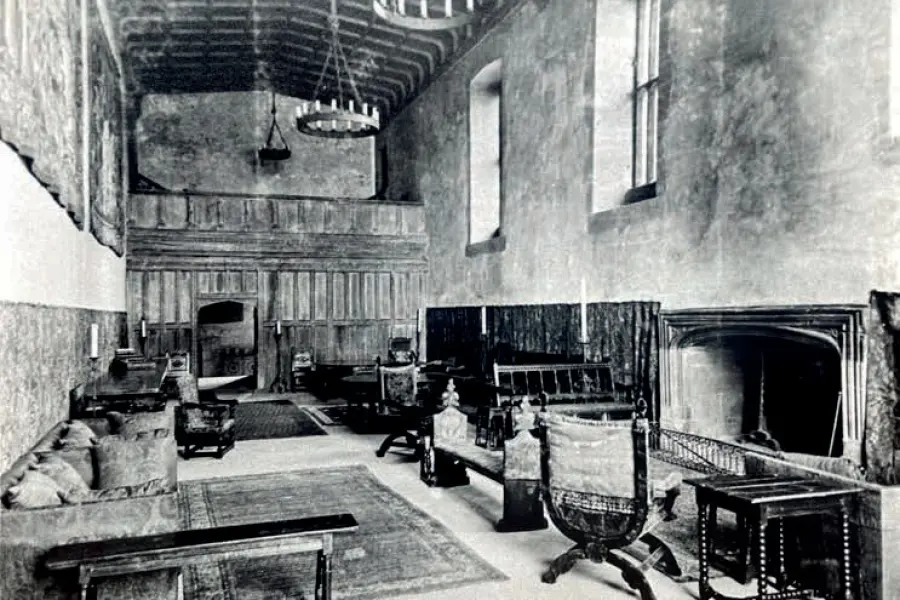
    Bishop Langton built the great hall around 1300. With a chapel and a range of other buildings, it gave the Bishop of Lichfield and Coventry a hunting lodge of suitable size and comfort. Its south wall still stands, with the 16th century fireplace that replaced the open fire.

    The Great Hall at Beaudesert, with its large fireplace
    The Great Hall. Copyright Country Life, reproduced under licence.
  4. TudorThe Pagets

    Granted to the Pagets

    Following the Reformation, Henry VIII gave the house and land to Sir William Paget, an ancestor of the first Marquess of Anglesey. The family would enlarge the hall and fill it with great treasures.

  5. 1554

    Four Spanish chestnuts

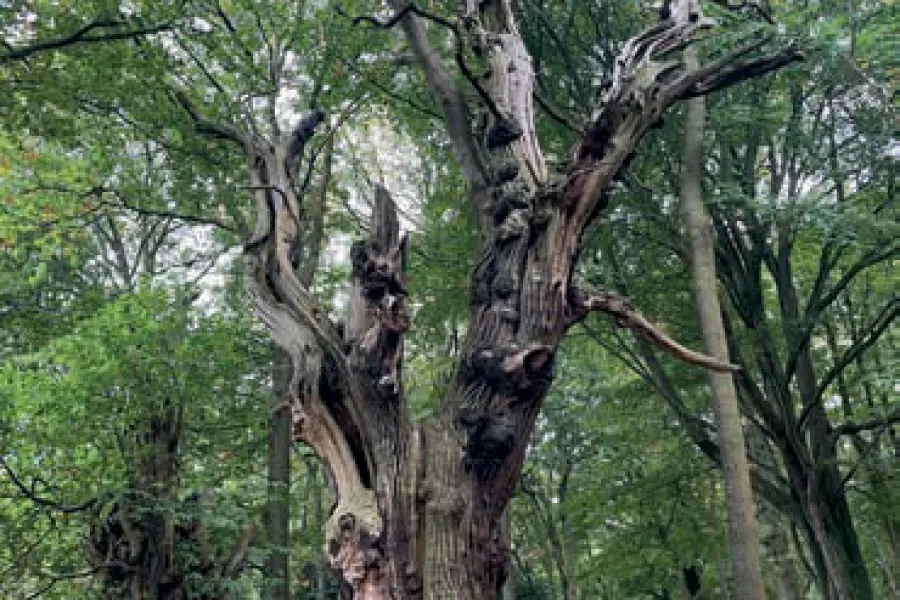
    Below the Viewpoint stand four venerable Spanish chestnuts. They may have been planted to commemorate the marriage of Queen Mary to King Philip of Spain in 1554, which the 1st Baron Paget was heavily involved in negotiating. That would make them over 450 years old, though they may date from around 1700.

    One of the four old Spanish chestnut trees below the Viewpoint
    One of the four Spanish chestnuts.
  6. 1570

    The Great East Façade

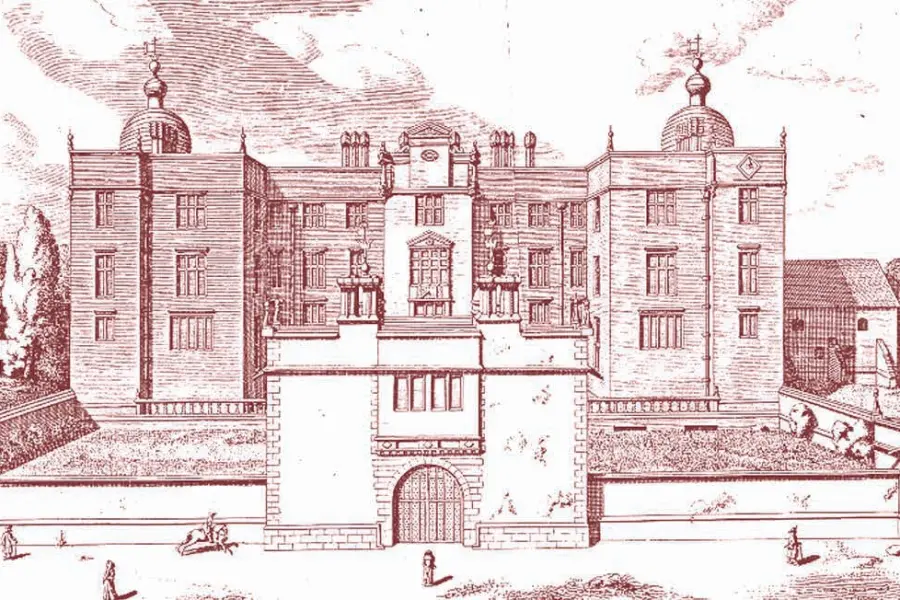
    Between 1570 and 1580, in the reign of Queen Elizabeth I, the 3rd Baron Paget built the Great East Façade to make a home more suited to comfortable living. He built it in the form of an E, to flatter the monarch, from local bricks and stone from the Beaudesert quarry.

    Engraving of Beaudesert from Robert Plot's book of 1686
    Beaudesert as it appears in Robert Plot's book of 1686.
  7. c.1771

    Stables for 30 horses

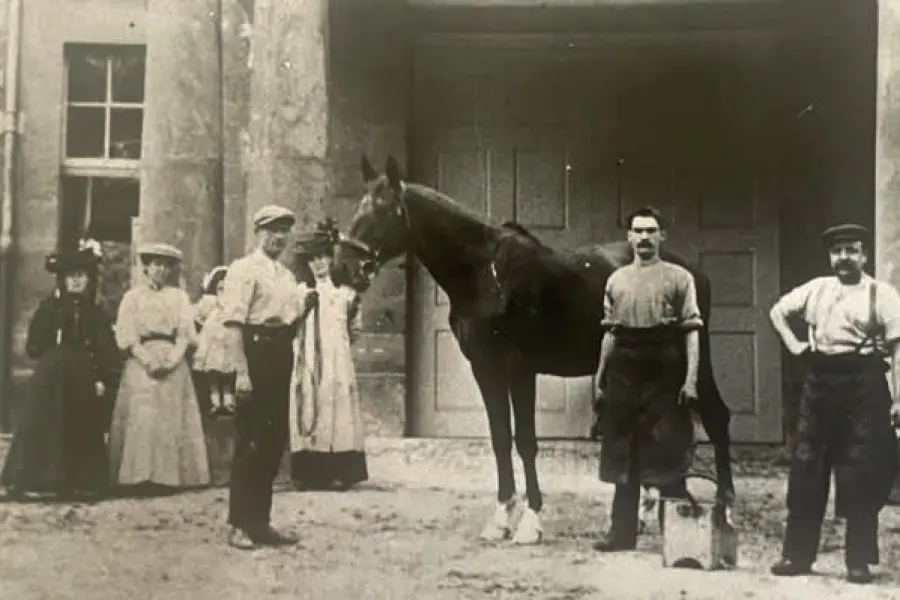
    James Wyatt built a stone stable block around 1771. It housed the 30 or so horses and carriages of the household, along with hay stores, tackle and a smithy, and a tunnel gave private access from the pool side. Ice from the pool in winter was stored in ice houses on Ice House Bank to keep food fresh through the year.

    Coach house and stable staff with a horse, around 1900
    Coach House and Stable staff, circa 1900. Friends of Beaudesert.
  8. 1773

    Marquis Drive and the kitchen garden

    Marquis Drive was a carriageway between Beaudesert and Shugborough Hall, for visits between the Marquis of Anglesey and the Earl of Lichfield. About half a mile down it, a kitchen garden was built in 1773. Its ruined foundations now lie within a Forestry England plantation.

  9. 1858The Marquesses

    Gas light, then electric

    The family were great innovators. Hearing that some great houses were adopting gas lighting, the Marquess built a gas works on site in 1858. When Buckingham Palace adopted electric lighting in 1883, he installed two Crossley steam engines, with dynamos, switchgear and accumulators, to light the hall and the stables.

  10. c.1900

    A staff of 55 gardeners

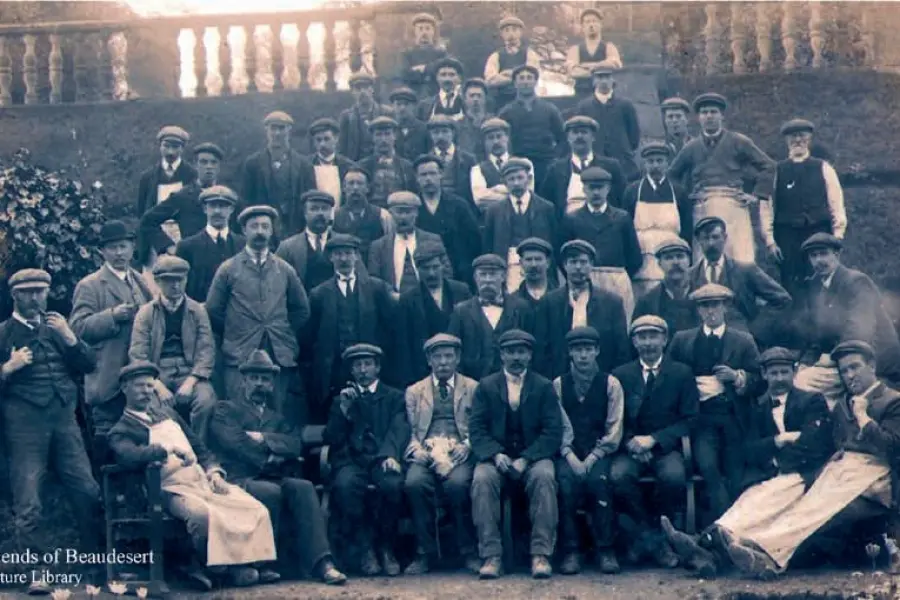
    In the early 20th century Pulham and Company landscaped the valley. The medieval fish ponds became The Cascades, seven pools linked by a bridge of Pulhamite, a patent reconstituted stone, among ornamental borders and specimen trees. When the water ran low, a valve drew water from the reservoir at Hednesford to keep the Cascades flowing.

    The Beaudesert garden staff gathered for a photograph, around 1900
    Garden staff circa 1900.
  11. 1909

    Fire, and a new wing

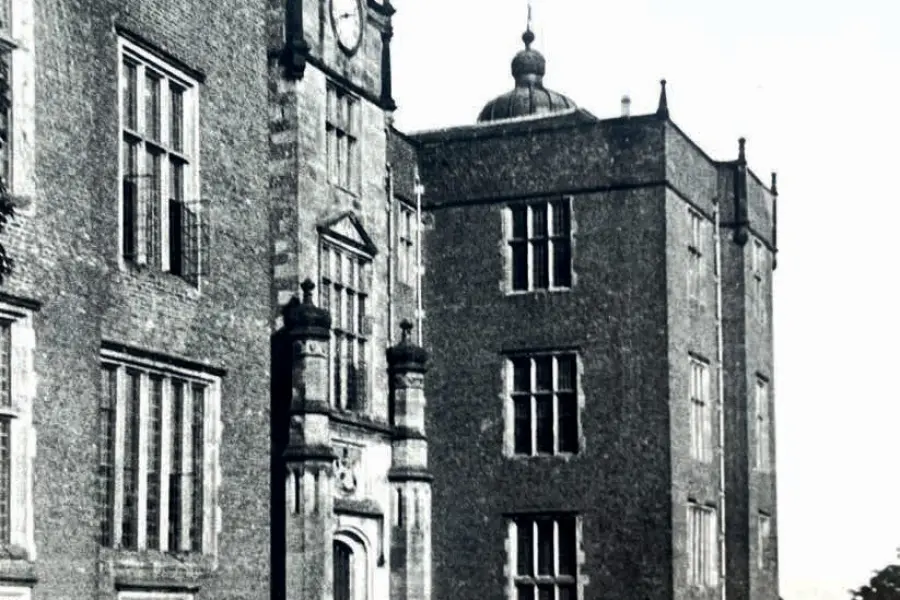
    The hall was renovated after a major fire in 1909, and in 1912 a south wing was added, with cellars below, where greenhouses and palm houses had stood. The Edwardian Walled Garden replaced the old kitchen garden, closer to the hall and with a ready supply of water.

    The Great East Façade under repair after the 1909 fire
    The Great East Façade during renovations after a major fire in 1909. Friends of Beaudesert.
  12. 1912

    An avenue to welcome them home

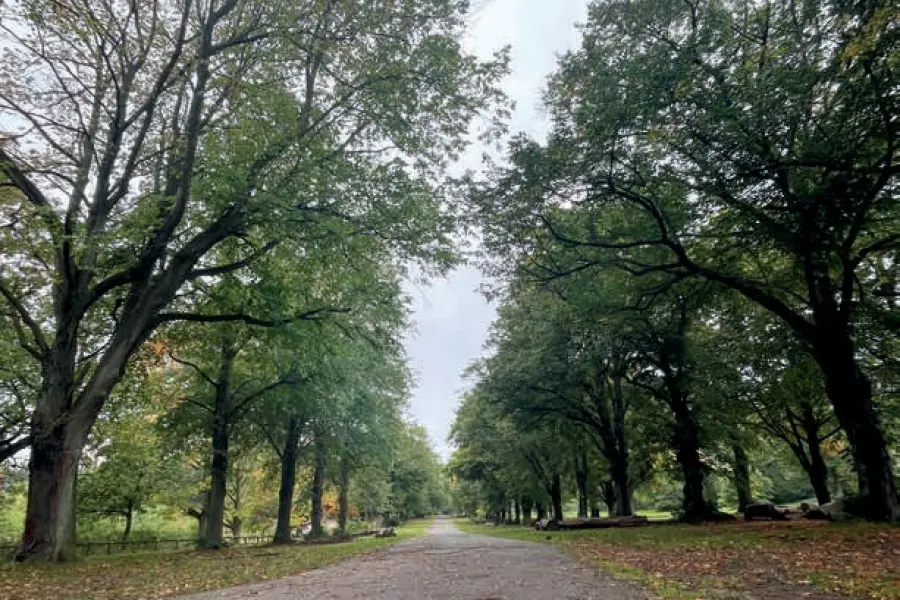
    On 6 August 1912 the Sixth Marquess married Marjorie Manners, daughter of the Duke of Rutland. His tenants planted the magnificent avenue of trees along Anglesey Drive to welcome him home after the honeymoon.

    The avenue of trees along Anglesey Drive
    Anglesey Drive.
  13. 1935

    Lost to demolition

    During the reign of King George V the hall lost its former glory, and in 1935 many of its treasures were sold in a demolition sale, the stone stables among the first buildings to go. Oak panelling, carved architraves, fireplaces, windows and the great Waterloo staircase now stand in Carrick Hill, a house in Adelaide, Australia, built in the style of a late Elizabethan English manor house. The ruins that remain show just how big Beaudesert Hall had become.

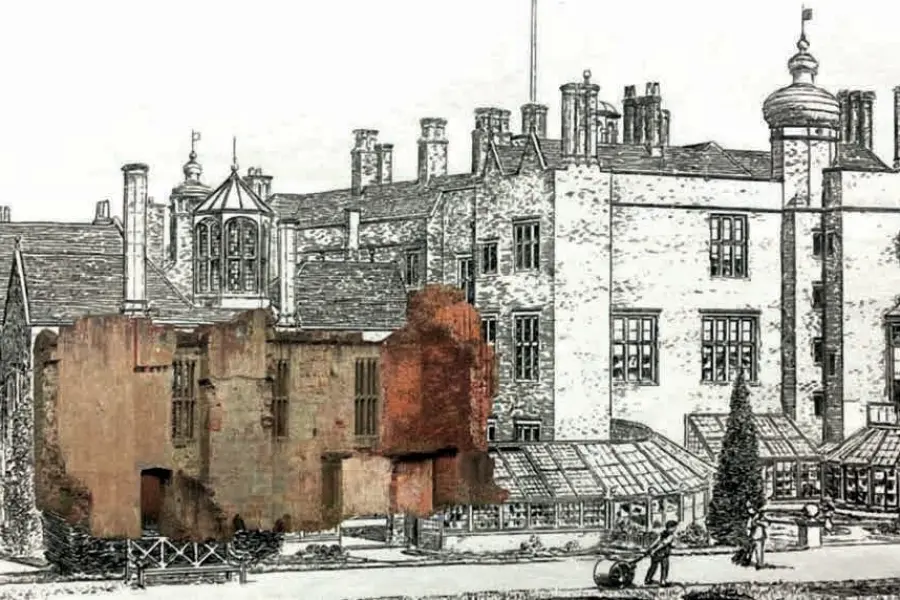
    Drawing of the hall ruins laid over the house as it was before demolition
    The ruins of the hall superimposed on the building prior to demolition. Birmingham Archaeology.
  14. 1937The Trust

    A gift to young people

    In 1937 the Sixth Marquess of Anglesey gifted 123 acres of parkland to the Scouts, Guides and youth of Staffordshire, and The Princess Royal opened the site. The land passed to a charitable trust, The King George V Memorial Scouts and Guides Recreational Lands, known as The Beaudesert Trust. Since then it has hosted crowds at jamborees and small groups alike.

  15. 1958

    Beautiful wilderness

    Cannock Chase was designated an Area of Outstanding Natural Beauty in 1958, and in November 2023 became a National Landscape. At just 69 square km, it is mainland England's smallest, packed with nature, culture and heritage interest.

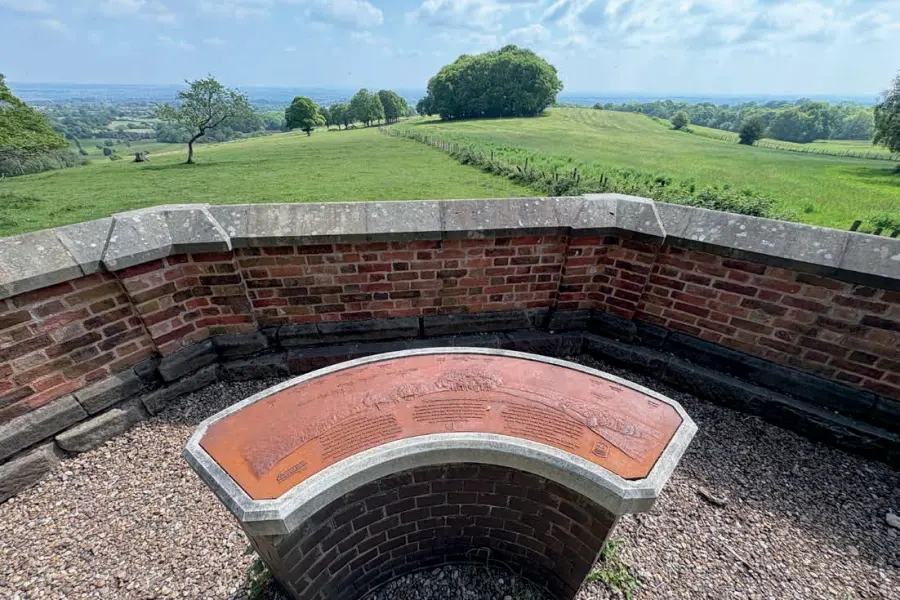
    The Viewpoint looking out over the Trent Valley
    View from the Viewpoint, looking over the Paget estates in the Trent Valley.
  16. Today

    The history is all around you

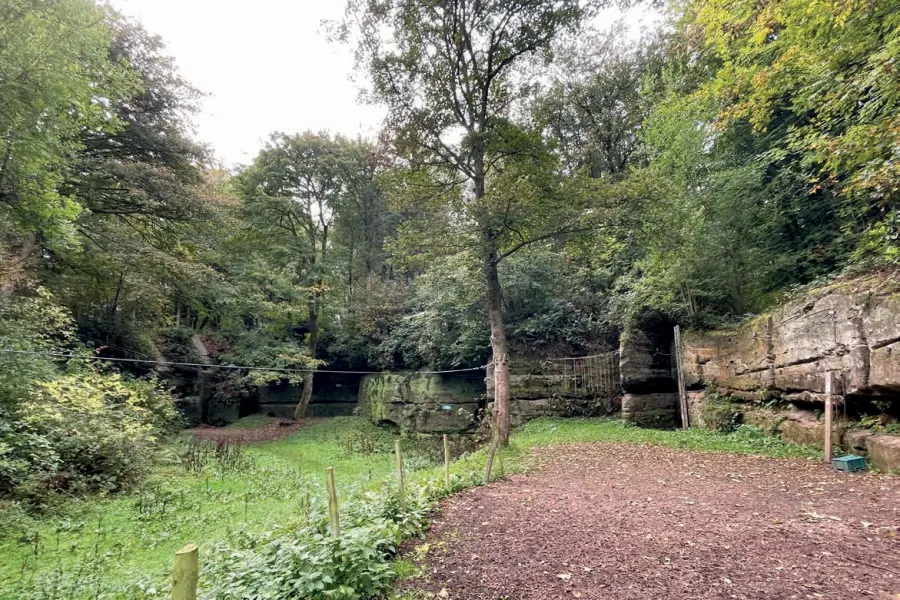
    The centre offers young people from a wide range of youth organisations and schools the chance to take part in activities, camping and residential stays. Scouts, Guides, The King's Trust, The Duke of Edinburgh's Award and many more come every year. The quarry that may have supplied the hall's stone is now a base for abseiling, via ferrata and a zip wire.

    The sandstone quarry at Beaudesert today
    The Quarry.

Then and Now

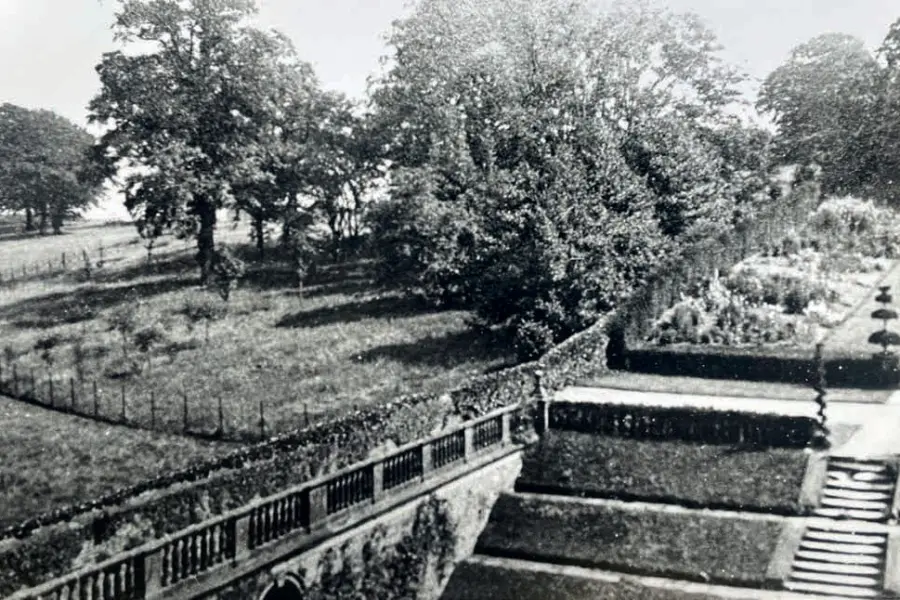
The walkway from the house towards the Lady Garden
The walkway from the house towards the Lady Garden. Copyright Country Life, reproduced under licence.
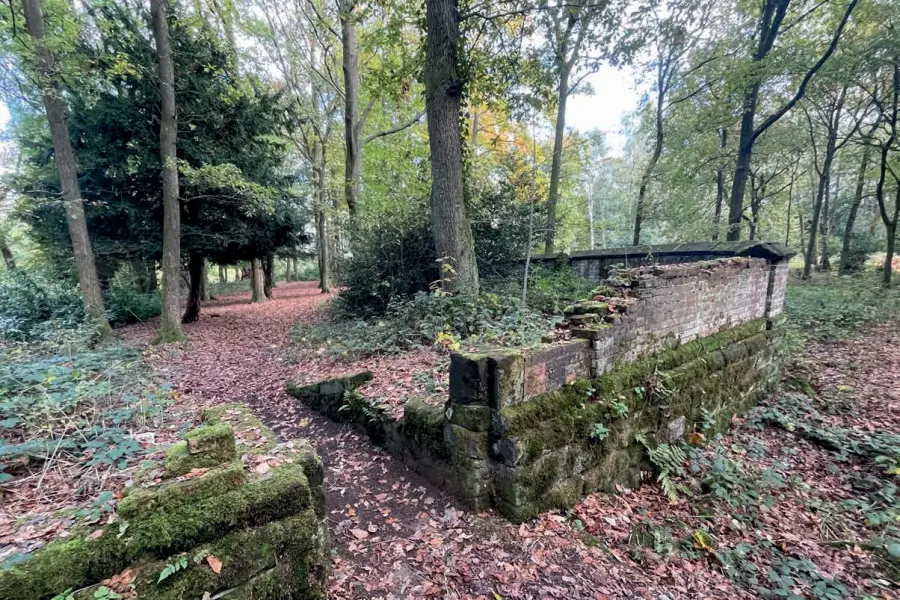
The ruined woodland gateway of the Lady Garden
The woodland gateway of the Lady Garden.

The Lady Garden

Then

A secluded garden where the ladies of the household could walk and relax without intrusion, surrounded by a ha-ha and a wall, with a walkway across to the hall.

Now

Its ruined woodland gateway still stands, and the wall runs alongside the track down to the Grand Lodge.
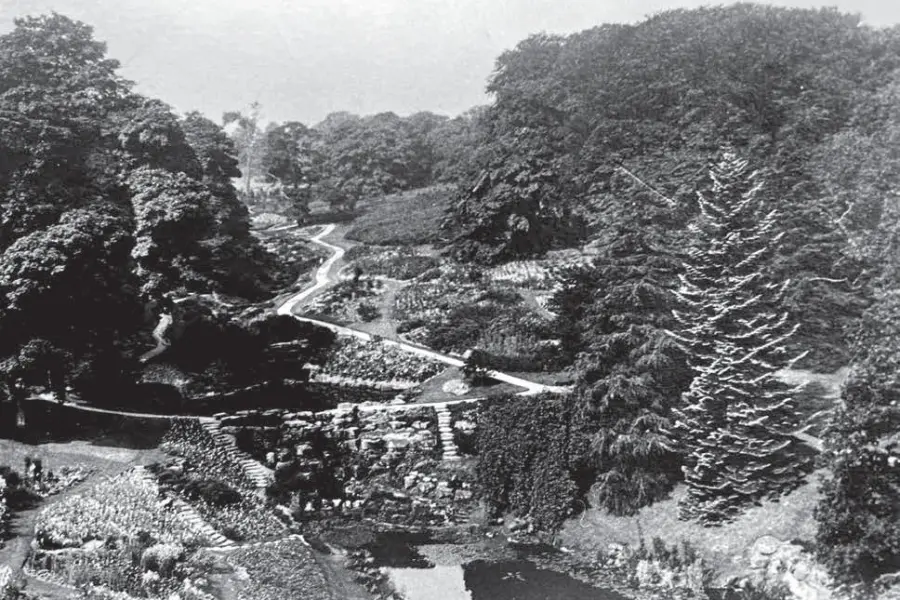
The Cascades, a series of pools among ornamental planting
The Cascades. Copyright Country Life, reproduced under licence.
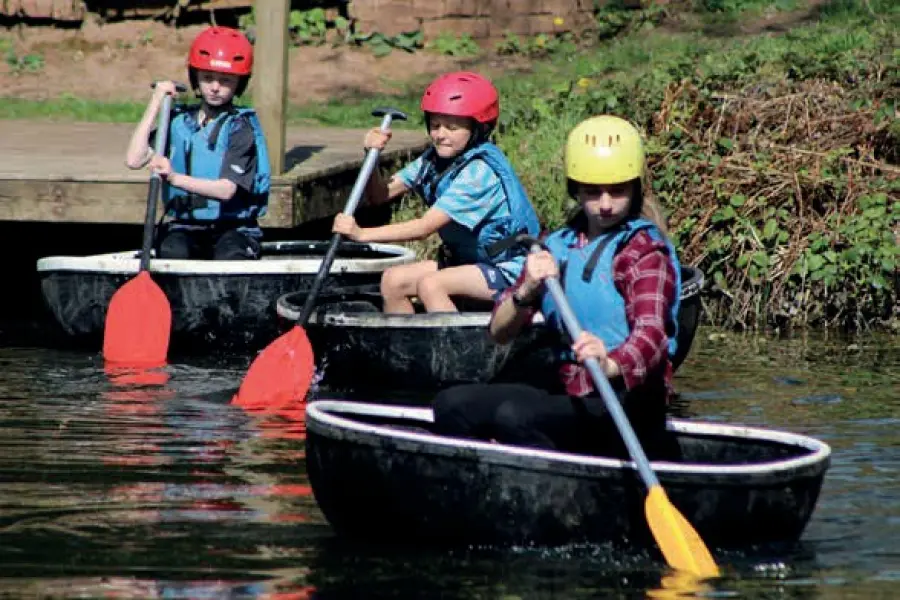
Young people paddling coracles on the pool
Young people in coracles.

The Cascades

Then

Five medieval fish ponds, fed by springs, landscaped in the early 20th century into seven pools surrounded by flower borders and ornamental trees.

Now

The pools are overgrown and the flower beds are no more, but the main pool is used by young people for kayaking, coracles and raft building.

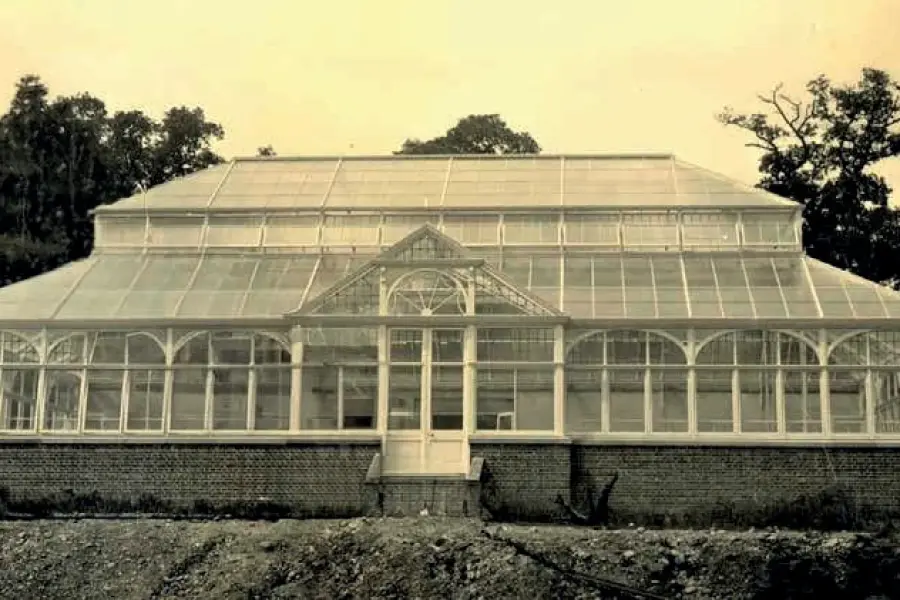
The Palm House in the kitchen garden, around 1912
The Palm House in the kitchen garden, circa 1912. Staffordshire Past Track, The Roy Lewis Postcard Collection.
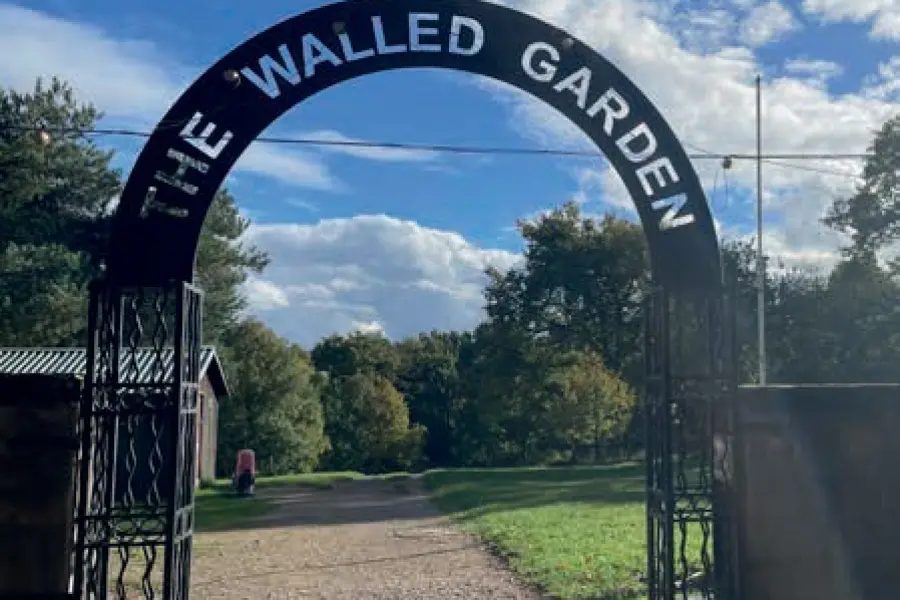
The arched entrance to the Walled Garden today
The entrance to the garden today.

The Walled Garden

Then

The Edwardian Walled Garden, with a palm house and greenhouses heated from a boiler house, and the gardeners' bothies along the north wall.

Now

The hub of the activity centre, with offices, facilities, the shop, group accommodation, and dining and activity buildings.

History walks

We run regular history walks around the ruins of Beaudesert Hall and Park. Any upcoming walks will be listed on our events page. Groups staying with us can also follow the self led tour with our map.

Route of the self led history tour, stops 1 to 9
  1. Reception
  2. The Lady Garden
  3. The Viewpoint
  4. The Ruin
  5. The East Facade
  6. The Pond
  7. The Quarry
  8. The Cascades
  9. The Walled Garden

Come and see it for yourself

Beaudesert has been welcoming young people to stay, to camp and to take part in adventurous activities since 1937.

Get a Quote