Let’s be honest. Nobody gets particularly excited when they hear the words “mandatory team building exercise.”
Images of awkward icebreakers, trust falls and being asked to share a “fun fact” with Dave from Accounts probably spring to mind. But good team building? That’s a different story.
Done properly, team building is about much more than getting everyone out of the office for the day. It’s about building relationships, improving communication and creating a team that works better together, whether they’re sitting next to each other in an office or joining a Monday morning meeting from their kitchen table. And with hybrid and remote working now a normal part of working life, getting your team together has arguably never been more important.
So, what is team building, why is team building important, and what are the actual benefits?
What is team building?
Team building is any activity designed to help colleagues develop stronger relationships and work more effectively as a team.
That could mean anything from a structured problem-solving challenge to an outdoor adventure, competitive activity or simply spending time together away from the usual working environment. The important bit? It should involve doing something together. A team building activity gives people the chance to communicate, collaborate and solve problems in a completely different setting to their normal working day.
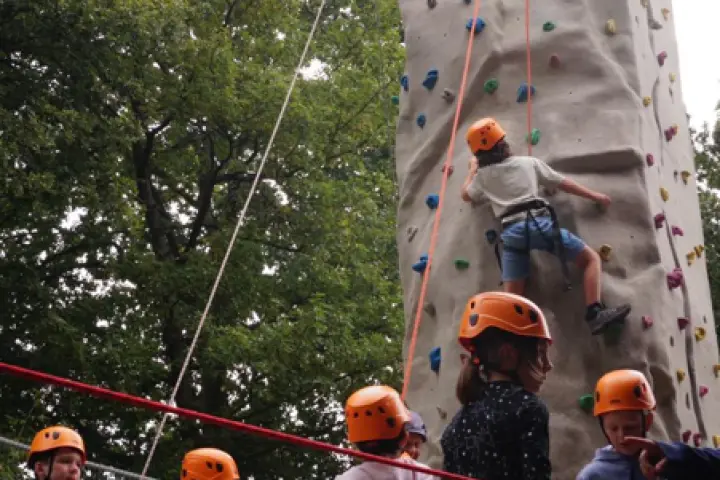
At Beaudesert, that might mean tackling an obstacle course, working together on a challenge, navigating the great outdoors or competing against colleagues to see who comes out on top. And yes, there may be a little friendly rivalry involved. We won't tell HR.
The best team building activities aren't about forcing colleagues to become best friends. They're about creating opportunities for people to understand each other better, discover different strengths and build trust – all of which can make a real difference when they're back at work.
Why is team building important for today's workplace?
The way we work has changed.
Hybrid working, remote teams, flexible hours and geographically spread-out colleagues have given employees more freedom – but they can also make it harder to build genuine connections. When you're working remotely, those little moments of connection disappear. There's no quick chat while making a coffee. No wandering over to someone's desk to ask a question. No spontaneous conversation about the weekend before a meeting starts.
Instead, communication can become a series of Teams messages, emails and calendar invites. Efficient? Absolutely. Particularly brilliant for building relationships? Not always. That's where team building can help.
Bringing people together in person gives colleagues the chance to communicate without a screen between them. It creates shared experiences, encourages conversations that might not happen during a normal working day and gives teams something to talk about long after the activity has finished.
It can also help break down some of the barriers that naturally exist between different departments, job roles and levels of seniority. When you're all trying to get your team around an obstacle course or working out how to solve a challenge, “I'm in Marketing and you're in Finance” matters considerably less.
You're just trying to win. And that's often where the best team bonding happens.
The key benefits of team building
There are plenty of reasons businesses invest in team building activities, but the biggest benefits often come down to four key areas.
- Better communication
Good teams communicate well. Team building activities give colleagues opportunities to practise communicating in different ways, particularly when they're faced with a challenge they can't solve individually. People have to listen to each other, share ideas, give instructions and occasionally admit that someone else's idea might actually be better. These skills don't disappear when the activity ends. Stronger communication can translate directly into better collaboration back in the workplace.
- Stronger relationships and trust
It's much easier to work effectively with someone when you understand how they think and what makes them tick. Team building creates opportunities for colleagues to get to know one another outside their usual roles. You might discover that the quiet person in the Monday meeting is ridiculously competitive. Or that the person who always seems calm in the office is absolutely terrified of heights. These shared experiences help create trust and familiarity, two things that are incredibly valuable within a team.
- Improved problem-solving and teamwork
Many team building activities are designed around a shared challenge. That means people need to work together, play to each other's strengths and find a solution. Someone might naturally take the lead. Someone else might be brilliant at spotting the detail everyone else has missed. Another person might be the one keeping everyone motivated when things aren't going to plan. Seeing these different strengths in action can help teams understand how they work best together. And when you've successfully solved a challenge together, it gives you a pretty good feeling that you can tackle the next one too.
- Happier, more connected employees
Work is a big part of people's lives, so feeling connected to the people you work with matters. A team building day gives employees something different from their usual routine and an opportunity to spend time together without the pressure of deadlines, emails and back-to-back meetings. It can boost morale, create positive memories and simply give people a reason to enjoy spending time with their colleagues. And sometimes, that's the point. Not every benefit of team building needs to be measured on a spreadsheet, sometimes it's just about giving everyone a really good day.
How often should you do team building?
There isn't a magic number.
Team building shouldn't be something you do once a year because the calendar says it's time for the annual away day. The most effective approach is to make team connection part of your wider workplace culture.
For some businesses, that might mean a larger team building day once or twice a year, supported by smaller social activities throughout the year. For others, particularly teams that work remotely or across different locations, getting everyone together more regularly may be worthwhile.
The key is consistency. If your team only sees each other in person once every 12 months, an annual team building day is unlikely to solve every communication or relationship challenge overnight. Think of it as an ongoing investment rather than a one-off fix. And don't forget to ask your team what they actually want to do.
Not everyone wants to sit in a conference room completing personality quizzes. Give people the chance to get outside, try something new, compete, collaborate and have a bit of fun.
Ready to get your team out of the office?
Team building doesn't need to be awkward, forced or involve anyone falling backwards into the arms of their colleagues. It should be something people actually want to take part in.
At Beaudesert, we create team building experiences that get people away from their desks and into the great outdoors, with activities designed to encourage communication, collaboration, problem-solving and plenty of laughs along the way.
Whether you're looking to strengthen a new team, reconnect a hybrid workforce or simply give your employees a day they'll actually remember, we've got plenty of ways to get your team working together.
Because sometimes the best way to build a better team is to stop working for a few hours and start playing.